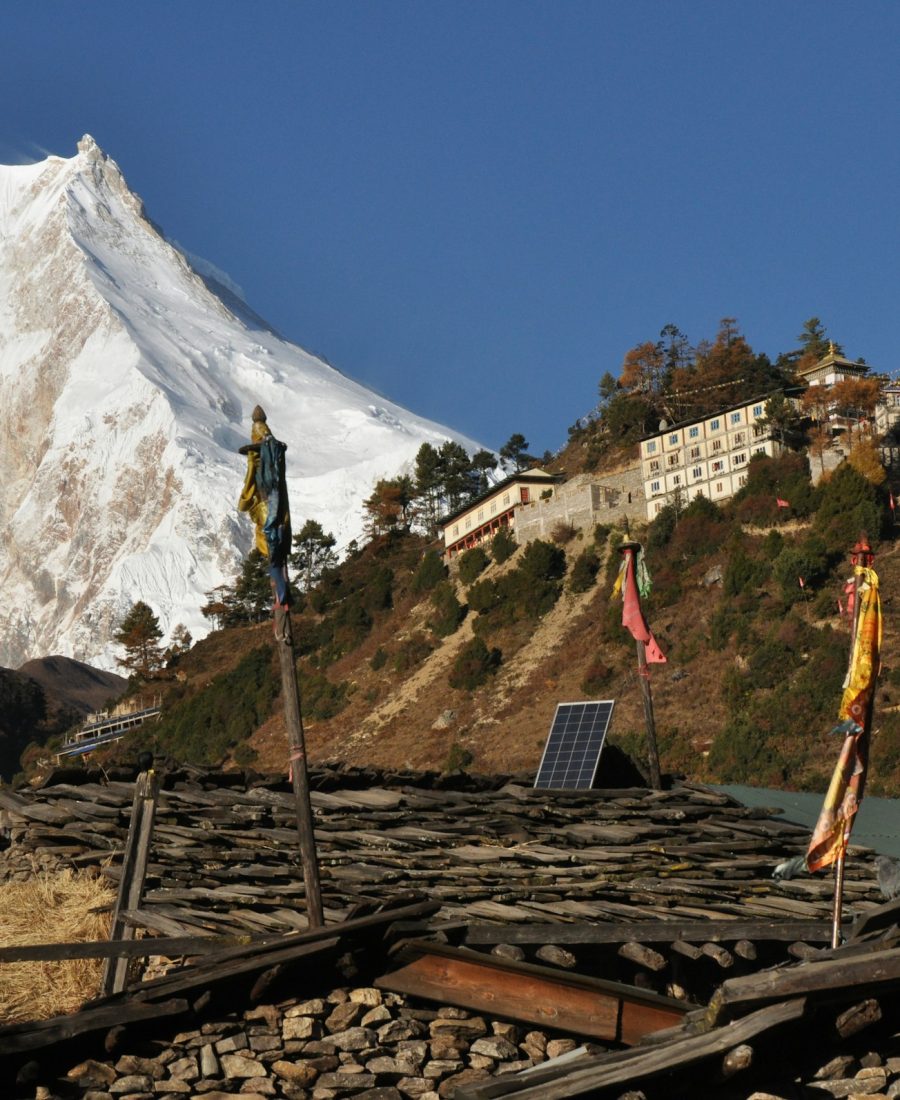
Ganesh Himal Base Camp Trek


Trip Overview
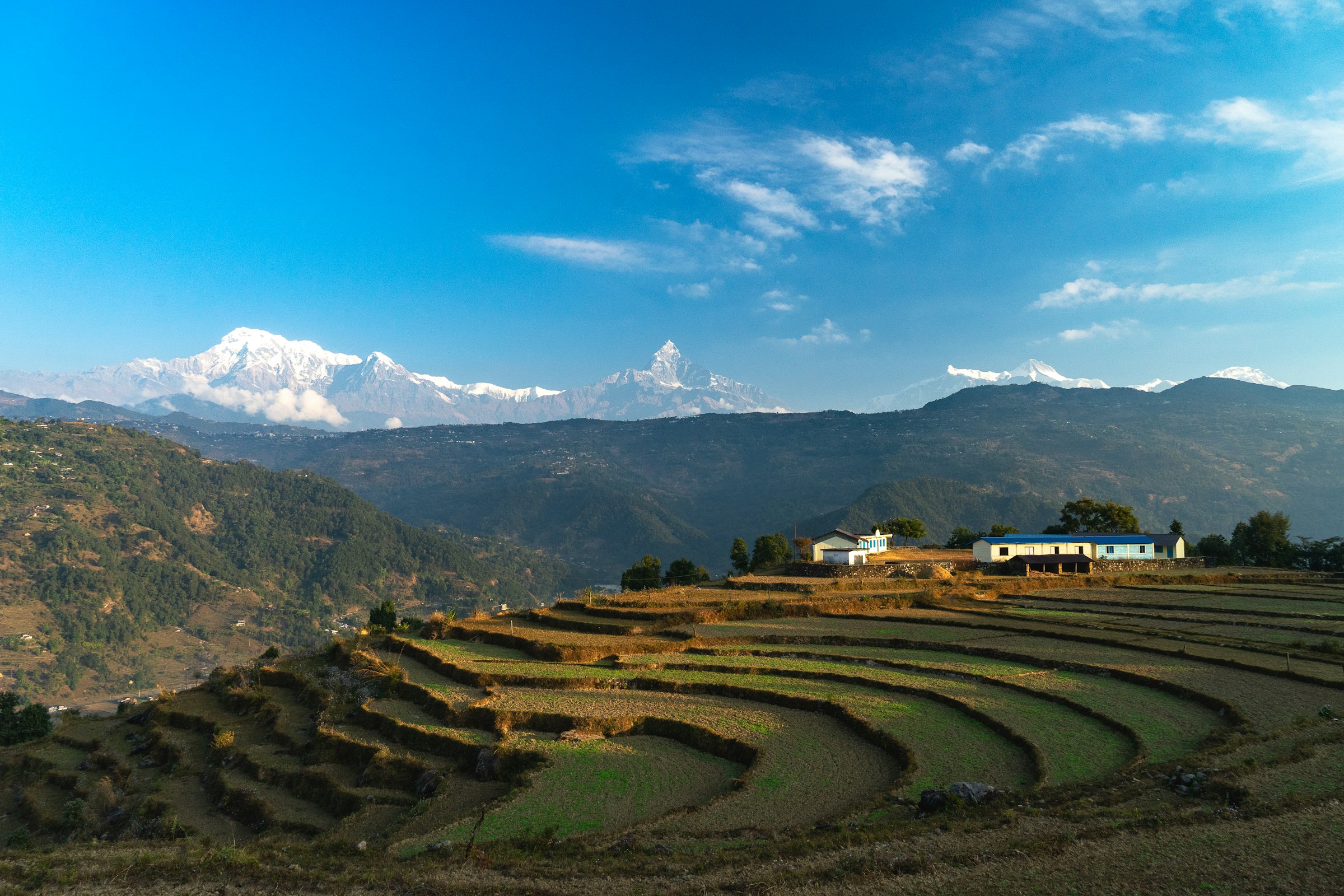
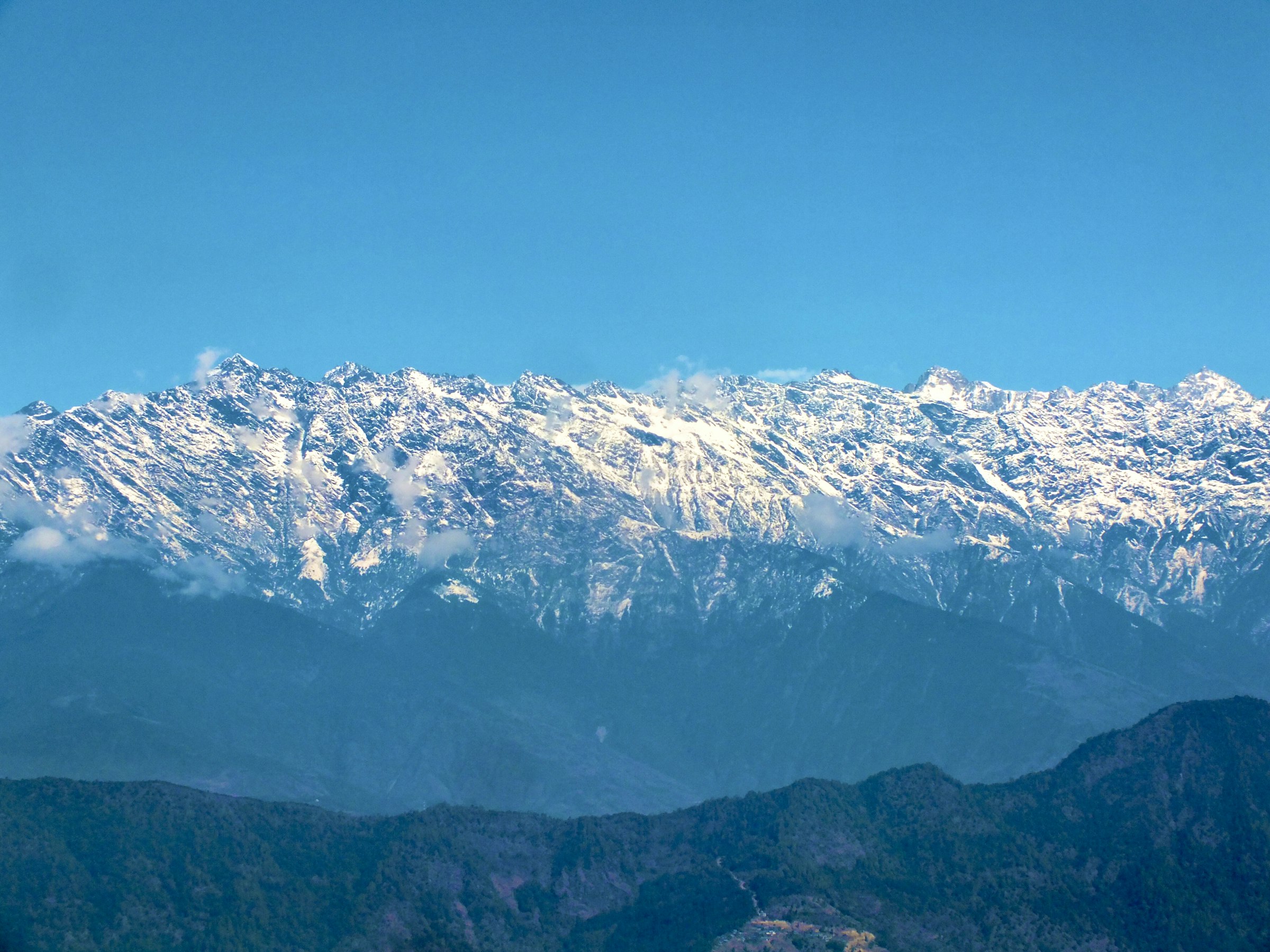
The Ganesh Himal is the cluster of snow peaks you can see on the northern skyline from Kathmandu on a clear day, rising to 7,422 m at Ganesh I (Yangra). Despite being so close to the capital, very few trekkers ever walk to its foot. This trek takes you there through the hill country of Rasuwa and northern Dhading, between the better-known Langtang and Manaslu regions, on trails used every day by farmers, herders and traders. It is a journey into village life as much as into the mountains, and the walking rarely feels crowded.
From the roadhead at Syabrubesi the route climbs to Gatlang, a Tamang village of closely packed stone houses and carved wooden windows, then on through forest and pasture to Somdang. From there we cross the Pangsang La (3,842 m), the highest point of the trek, where on a clear morning the Ganesh peaks fill the view and neighbouring ranges line the horizon. Beyond the pass the trail drops into the Ruby Valley, said to take its name from the rubies and other minerals found in its hills, and continues through the villages of Tipling, Shertung, Chalish and Hindung, home to Tamang and Gurung communities.
The final approach leaves the villages behind and climbs through rhododendron and fir forest and summer grazing land to base camp, at around 3,700 m beneath the glaciers and rock walls of the Ganesh range. There are no lodges here, so our crew sets up a simple tented camp for two nights, which means you are in place for the best light on the mountains in the evening and again at dawn. The return follows the Ruby Valley back to Shertung, where a jeep takes you via Dhading Besi to Kathmandu.
Who is this trip for?
This is a moderate trek for reasonably fit walkers with some hill experience who want a quieter alternative to the classic routes. Most days involve 5-7 hours on village trails with steady climbs and descents, and the highest point stays below 4,000 m, so the altitude risk is lower than on the big base camp treks. Accommodation in the villages is simple: small teahouses and community homestays where you eat with local families and see daily life up close. It suits travellers who value culture, solitude and honest mountain walking more than lodge comforts.
Nima Adventure, led by Managing Director Kanchha Sherpa, takes care of permits, transport, an experienced licensed guide, porters and the camping crew, so you can concentrate on the walking and the people you meet. We are happy to adjust the pace or add rest days to suit your group.
Trip highlights
- Walk to the foot of the Ganesh Himal, whose highest summit reaches 7,422 m
- Cross the Pangsang La (3,842 m) for wide views of the Ganesh range
- Stay with Tamang and Gurung families in villages such as Gatlang, Tipling and Chalish
- Explore the little-visited Ruby Valley in northern Dhading
- Camp at Ganesh Himal Base Camp (approx. 3,700 m) for sunset and sunrise on the peaks
- Trek a quiet route between the Langtang and Manaslu regions, away from the crowds
Itinerary
Welcome to Nepal. A member of the Nima Adventure team meets you at Tribhuvan International Airport and transfers you to your hotel. Once you have settled in, we hold a short briefing on the trek, the route and the gear you will need, and answer any questions you may have. If you arrive early, the area around Boudhanath Stupa, close to our office in Boudha, is a relaxed place for a first walk and an evening meal. Overnight in Kathmandu.
We use this day to finalise your Langtang National Park entry permit and TIMS card and to check your equipment, with time to buy or hire anything missing in Thamel. Your guide explains the daily routine on trek, homestay etiquette and how we watch for signs of altitude sickness. In your free time you can visit heritage sites such as Swayambhunath, Pashupatinath or Kathmandu Durbar Square. Overnight in Kathmandu.
After an early breakfast we drive north out of the Kathmandu Valley via Trishuli Bazaar and Dhunche to Syabrubesi, the roadhead town where the Langtang Khola joins the Bhote Koshi. The journey takes 7-8 hours on a road that is narrow and rough in places, winding past terraced hillsides and small bazaars, with the Ganesh and Langtang ranges appearing on clear days. Overnight in a teahouse in Syabrubesi.
We climb out of Syabrubesi through forest and terraced fields, using old footpaths rather than the rural road wherever possible. After 5-6 hours we reach Gatlang, one of the best-preserved Tamang villages in the region, with closely packed stone houses, carved wooden windows and prayer flags above the rooftops. In the late afternoon you can wander through the village, visit the small gompa and watch daily farm life. Overnight in a homestay or teahouse.
Today is a long, steady climb of 6-7 hours. The trail passes Parvati Kunda, a small sacred lake, and continues through rhododendron, oak and pine forest to the open pastures of the upper Somdang valley. As we gain more than 1,000 metres, we keep a gentle pace with regular stops to drink and rest. Somdang is a small, quiet settlement surrounded by forest and grazing land. Overnight in a simple lodge.
We climb for about three hours through forest and grassland to the Pangsang La, the highest point of the trek. On a clear morning the ridge gives a wide view of the Ganesh Himal close at hand and of neighbouring Himalayan ranges on the horizon, and it is a fine place for a long break. The trail then descends steadily into the Ruby Valley to Tipling, a large Tamang village spread across terraced slopes. Allow 6-7 hours in total. Overnight in a homestay.
A shorter day of 4-5 hours follows the valley through the neighbouring villages of Shertung and Chalish, past fields of millet and maize, small schools and chortens. This part of the Ruby Valley is home to Tamang and Gurung communities, and village life carries on around you as you walk. The afternoon is free to rest, do some washing or visit the local gompa with your guide. Overnight in a homestay in Chalish.
The trail climbs and dips through forest and farmland to Hindung, one of the highest permanent villages below the Ganesh peaks. The walk takes 5-6 hours and is very quiet, and the mountains grow closer as you gain height. Hindung is where we prepare for the base camp section: the crew organises food, tents and kitchen equipment for the nights ahead, and your guide briefs you on the climb. Overnight in a homestay.
Leaving the last village, we climb through mixed forest of rhododendron, oak and fir to the summer grazing grounds used by herders from the valley. There are no lodges beyond this point, so our crew sets up a tented camp with a kitchen and dining tent and prepares hot meals. The climb takes 5-6 hours and gains around 900 metres, so take it slowly and drink plenty of water. Overnight in tents.
A shorter walk of 3-4 hours brings us to the base camp area, an open kharka beneath the glaciers and rock walls of the Ganesh peaks. After lunch you can explore the moraines and ridges nearby for closer views, keeping to an easy pace at this altitude. The light on the mountains in the late afternoon, and again at dawn, is the reward for the long approach. Overnight in tents at base camp.
We rise early to watch sunrise on the Ganesh Himal, then retrace our route down through the pastures and forest. The descent is long and steep in places, so trekking poles help protect your knees. After 6-7 hours we are back in Hindung, where a hot meal and a warm homestay feel well earned. In the evening the crew packs away the camping equipment for the journey out. Overnight in a homestay.
We walk back down the Ruby Valley towards Chalish and Shertung, 4-5 hours on familiar trails with new views on the way down. If time allows, your guide can arrange a detour to the natural hot springs in the valley, a welcome way to ease tired legs. Our last evening in the villages is a good chance to thank our hosts and share a final meal with the guide, porters and crew. Overnight in a homestay.
A jeep collects us for the drive out of the valley on a rough, winding rural road to Dhading Besi, then onwards to the Prithvi Highway and Kathmandu. The full journey usually takes 8-10 hours depending on road conditions, and after heavy rain we may need to walk a short section to meet the vehicle. In the evening, join us for a farewell dinner and a chance to share photos from the trek. Overnight in Kathmandu.
Depending on your flight time, there may be a few hours for last-minute shopping or a final visit to Boudhanath. Our team transfers you to Tribhuvan International Airport in good time for your departure. If you would like to extend your stay with a jungle safari in Chitwan, a few days in Pokhara or another trek, we are happy to arrange it before or after this trip.
What’s included
Cost Includes
14 items- Airport arrival and departure transfers in a private vehicle
- 3 nights in a Kathmandu hotel on a twin-sharing basis with breakfast
- Langtang National Park entry permit and TIMS card
- Private vehicle from Kathmandu to Syabrubesi
- Jeep from Shertung to Kathmandu via Dhading Besi
- Teahouse and homestay accommodation on trek, twin-sharing where available
- Tents, sleeping mats, kitchen equipment and camp crew for the base camp section
- All meals on trek (breakfast, lunch and dinner) with tea or coffee
- Experienced, government-licensed English-speaking trekking guide
- Porters (one porter for two trekkers), including their wages, food, accommodation, insurance and equipment
- Down jacket, sleeping bag and duffel bag on loan for the trek
- Comprehensive first-aid kit carried by the guide
- Farewell dinner in Kathmandu
- Government taxes and office service charges
Cost Excludes
10 items- International flights and Nepal visa fees
- Travel insurance covering trekking, medical treatment and emergency helicopter evacuation
- Lunch and dinner in Kathmandu, except the farewell dinner
- Entrance fees for sightseeing in Kathmandu
- Personal trekking gear and clothing
- Drinks, snacks and extra food beyond the set meals
- Hot showers, battery charging and Wi-Fi where teahouses charge for them
- Tips for guides, porters and crew
- Extra nights in Kathmandu due to early arrival or late departure
- Costs arising from landslides, road closures, illness or other events beyond our control
What to pack
Foot Wear
3- Normal Socks 3-4Pairs
- Trekking Shoes 1 Pair
- Slippers
Hands
2- Thin Fleece Gloves 1 Pair
- Wind Stopper Fleece Gloves
Upper Body
6- Light Weight Top / Thermo Coat
- Buff
- Fleece Jacket 1
- Gore Tex Jacket 1
- Down Jacket 1
- Cotton T-Shirt 2-3
Lower Body
4- Mid Weight Long Under Pants
- Under Wear 4-5 Pairs
- Gore Tex Pant. 1
- Water Proof Pant1
Head
4- Sun Cap
- Balaclava
- Fleece Hat
- Neck Gaiter 2-3
Sleeping Bags
1- Sleeping Bag rated to -20°C For base camp
Bag Packs
2- Rucksacks 45-55L
- Duffle Bag 90 L 1 Piece
Sun stuffs
4- Sunscreen Minimum SPF 50
- Lip balm with SPF 30
- Sunglasses UV protection
- Toiletries.
Medicines
7- Brufen / Ibuprofens
- Antibiotic
- Diamox
- Paracetamol
- Handy Plaster
- Crack Bandage
- Tincture Iodine
Miscellaneous
2- Walking Stick
- Umbrella / Rain Coat
Frequently asked questions
No restricted area permit is needed for this route. Starting from Syabrubesi, you need a Langtang National Park entry permit and a TIMS card, which we arrange in Kathmandu before the trek. Under current Nepal rules, foreign trekkers must walk with a licensed guide arranged through a registered agency, so your guide and permits are organised together as part of the trip.
You should be comfortable walking 5-7 hours a day on uneven village trails with long climbs and descents, several days in a row. Previous multi-day hiking experience is helpful but not essential. Regular training such as hill walking, running or cycling for two to three months before the trek makes a real difference, especially for the Pangsang La crossing and the climb to base camp.
The highest point is the Pangsang La at 3,842 m and base camp sits at around 3,700 m, so the risk is lower than on treks above 5,000 m, but mild symptoms such as headaches or poor sleep are still possible. The itinerary gains height gradually and your guide checks on everyone daily. If symptoms worsen, the simple and effective response is to descend, which is straightforward on this route.
Expect simple rooms in small family-run teahouses and community homestays, usually with shared toilets and basic washing facilities. Homestays are a highlight of this trek, as you eat dal bhat with your hosts and see village life up close. Near base camp there are no lodges, so our crew provides tents, mats, a kitchen and hot meals for two nights. A warm sleeping bag is essential, and we can lend you one.
Spring (March to May) and autumn (late September to November) bring the most settled weather and the clearest mountain views. Spring adds rhododendron blossom in the forests, while autumn offers crisp, clear air after the monsoon. Winter is possible in the lower villages, but snow can close the Pangsang La and the base camp section. June to August is wet, with leeches and a higher risk of landslides on the roads.
Your guide will always put safety before the schedule. If snow or poor visibility makes the Pangsang La unsafe, we wait for conditions to improve or use an alternative trail. If landslides block the road on the drive out, we walk to a point where a vehicle can reach us or wait for the road to clear. For this reason we recommend leaving a spare day in Kathmandu before your international flight.
Yes. Travel insurance that covers trekking to at least 4,000 m, medical treatment and emergency helicopter evacuation is required for all our treks. Rescue from remote valleys like this one is usually only possible by helicopter, and operators will ask for insurance details before flying. Please send us a copy of your policy and its emergency contact number before the trip begins.
Trip Reviews
Submit your review | |
Plan Ganesh Himal Base Camp Trek with our team
Tell us your dates and group size and we will reply within 24 hours with availability, a tailored itinerary and a group price.
- Reply within 24 hours
- No booking fees
- Free itinerary tailoring