Makalu Base Camp Trek
Trip Overview
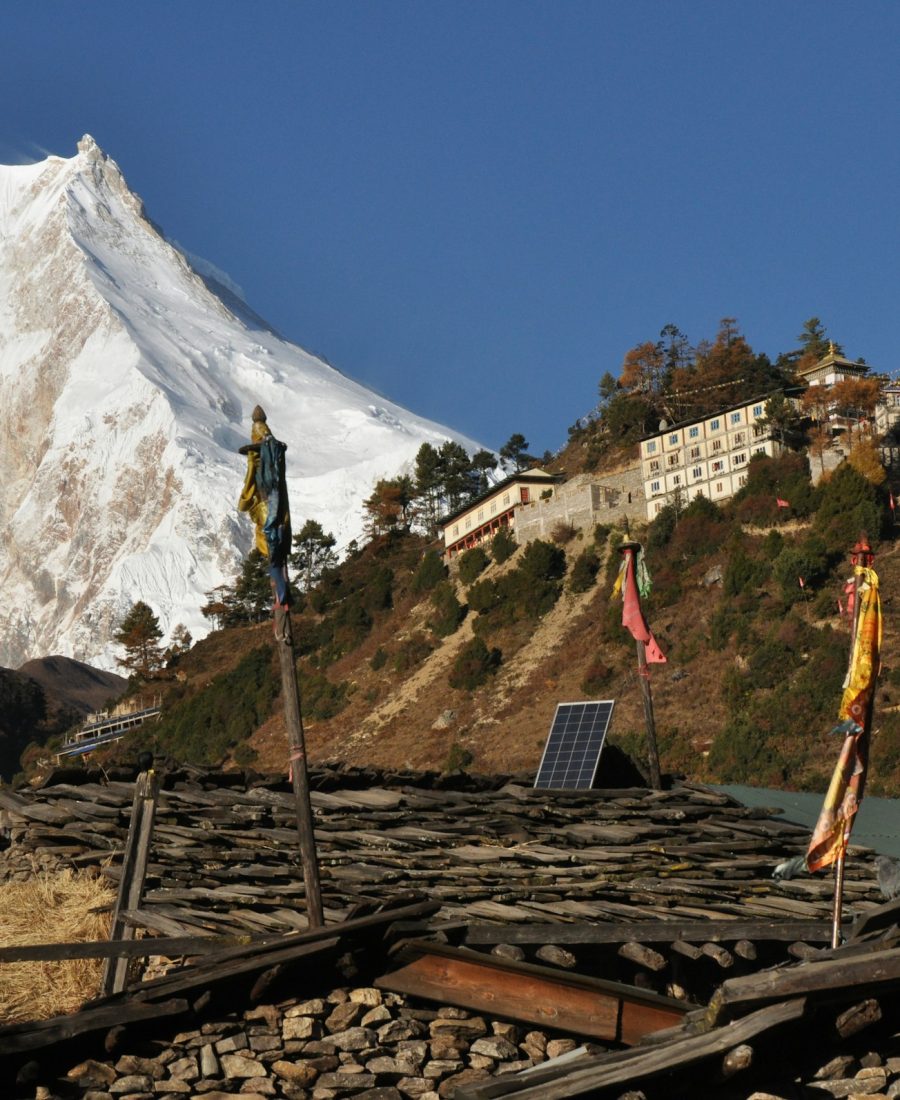
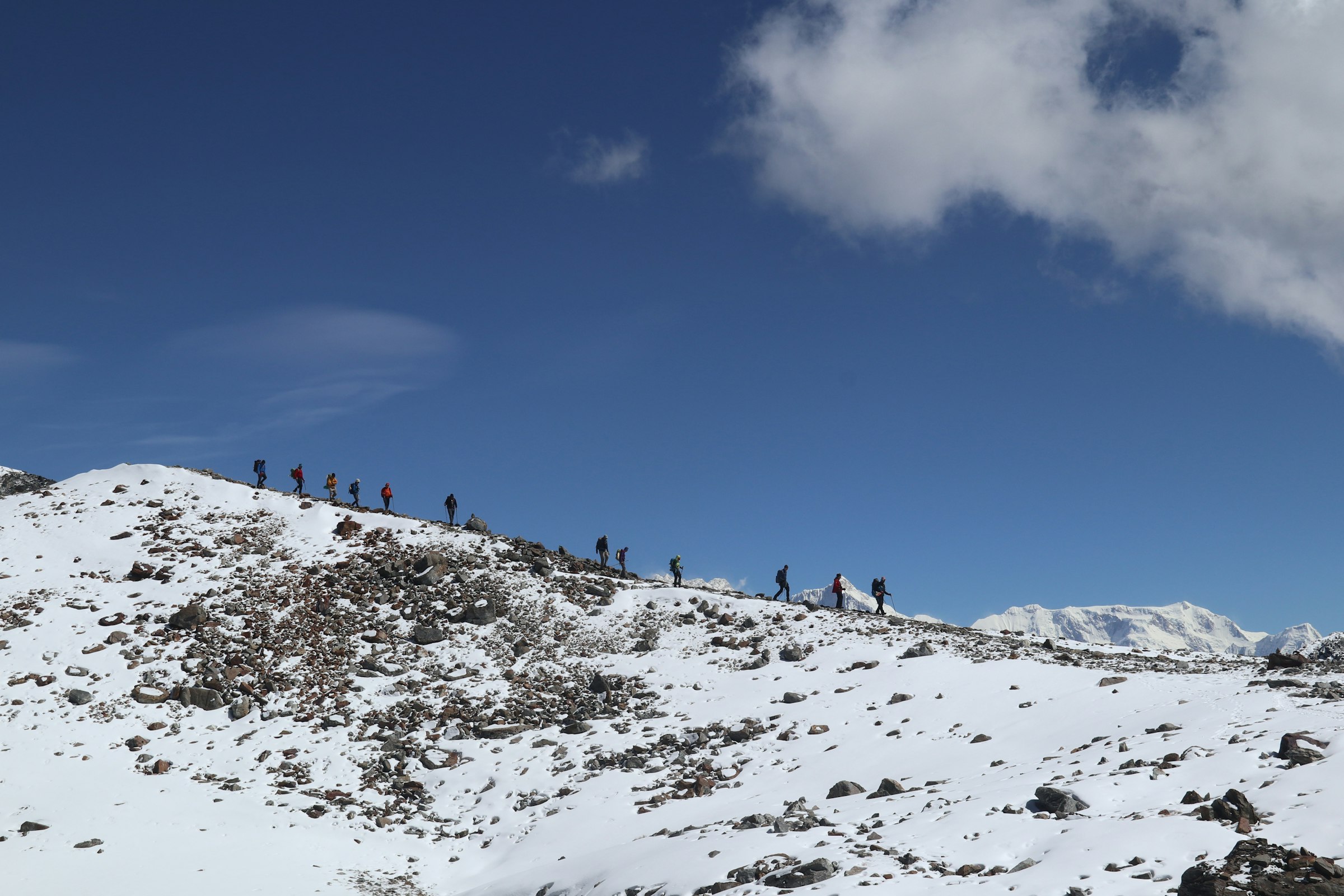
Makalu, at 8,485 m the fifth-highest mountain in the world, stands on the Nepal-Tibet border south-east of Everest, an isolated pyramid of granite with four sharp ridges. The trek to its base camp leads into the Barun Valley inside Makalu Barun National Park, one of the wildest and least-developed corners of the Nepal Himalaya. It sees only a small fraction of the trekkers who walk to Everest Base Camp, and for long stretches the only people you meet are herders and the crews of other small groups.
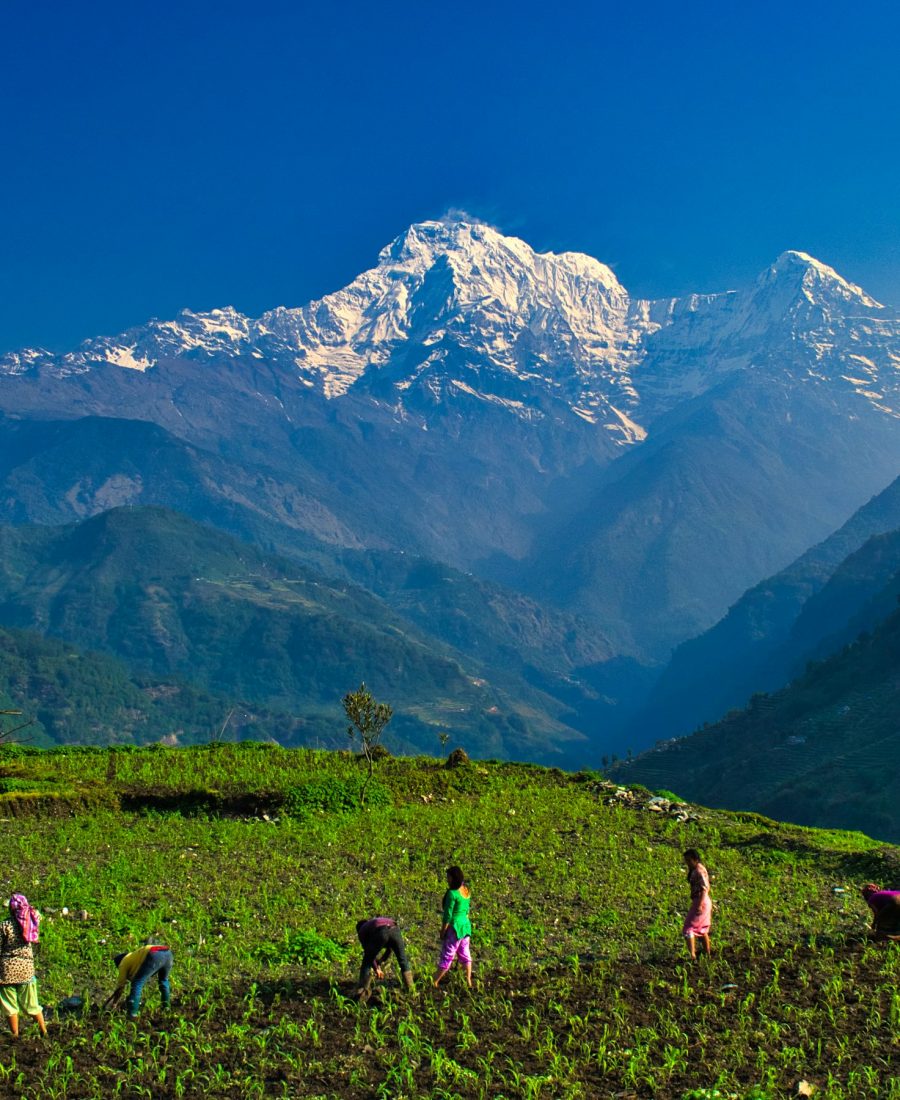
The journey begins with a flight to Tumlingtar in the warm Arun valley and a drive to the ridge-top village of Num. From here the trail drops steeply to the Arun River and climbs to Seduwa and Tashigaon, the last permanent village, through terraced fields, cardamom gardens and forest where Rai and Sherpa communities live. Above Tashigaon a long climb leads to Khongma Danda, where we spend an extra night to acclimatise before crossing the Shipton La, named after the British mountaineer Eric Shipton, and the Keke La, passing small alpine lakes on the way.
Beyond the passes the trail descends into the upper Barun Valley, a deep glacial trench of granite walls, waterfalls and yak pastures. We follow it upstream via Yangle Kharka and Langmale Kharka to Makalu Base Camp at 4,870 m, beneath the immense south face of the mountain and beside the Barun Glacier. A day at base camp gives time to explore the ridges above for views of Chamlang, Baruntse and, on a clear day, Lhotse and Everest to the west. The return retraces the route back over the passes to the Arun valley.
Who is this trip for?
The Makalu Base Camp Trek is graded hard. Days of 5-7 hours involve long, steep climbs and descents, the passes are crossed twice, and much of the route is far from roads or villages. It suits fit trekkers with previous multi-day experience who are happy with simple teahouses, some of which are basic and seasonal. Because Makalu is not a restricted area, solo travellers can join with a licensed guide, which is required for all foreign trekkers under current Nepal rules.
Nima Adventure, led by Managing Director Kanchha Sherpa, also organises expeditions on Makalu itself, and our team knows the Barun Valley and its weather well. We arrange permits, flights, jeeps, an experienced guide and porters, and pace the trek so you have the best chance of reaching base camp in good shape.
Trip highlights
- Reach Makalu Base Camp (4,870 m) beneath the south face of Makalu (8,485 m)
- Cross the Shipton La and Keke La past small alpine lakes into the Barun Valley
- Walk through Makalu Barun National Park, one of Nepal's wildest protected areas
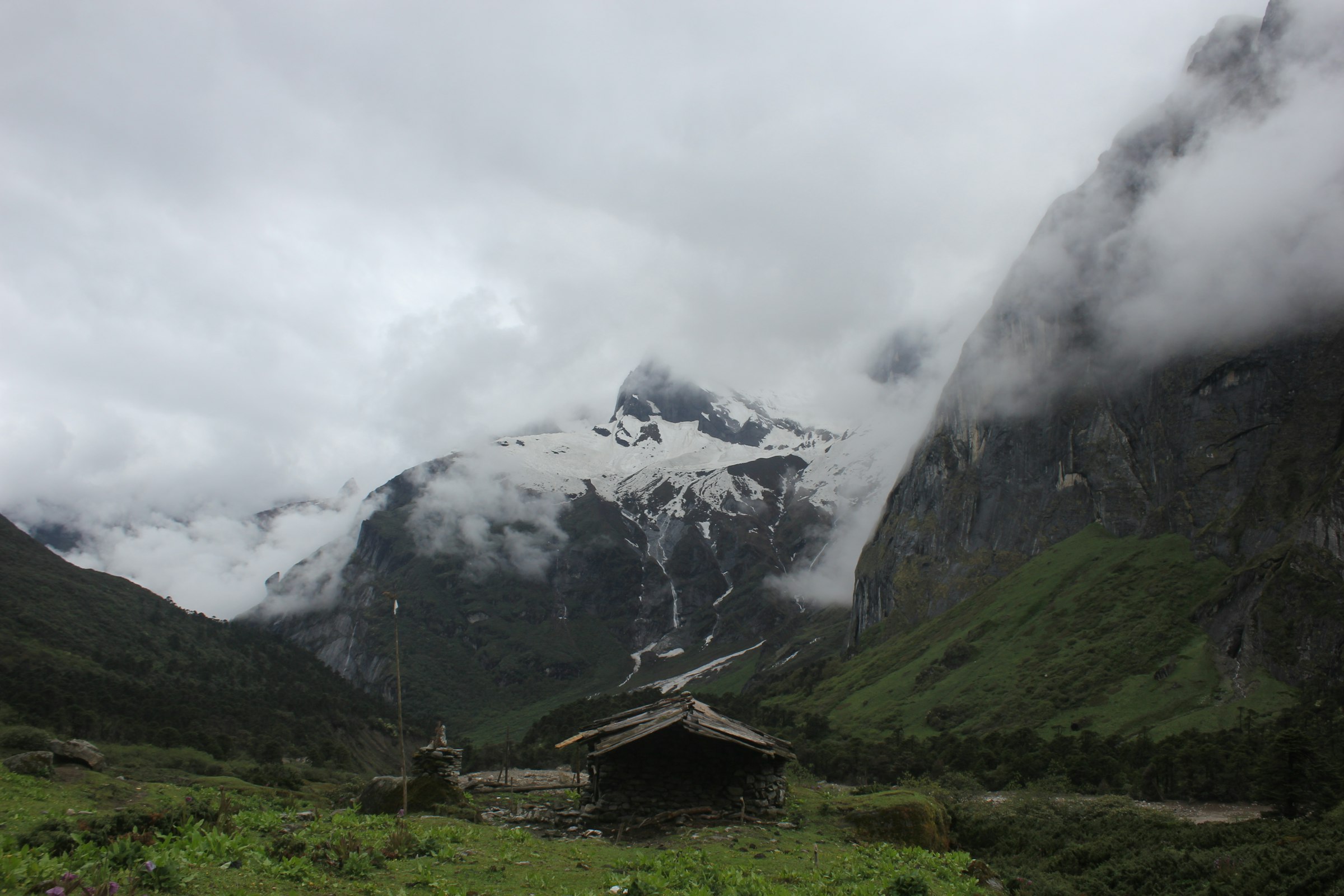
- Follow the upper Barun Valley past granite walls, waterfalls and yak pastures
- Visit Rai and Sherpa villages in the Arun valley, including Seduwa and Tashigaon
- See Chamlang, Baruntse and, on a clear day, Lhotse and Everest from above base camp
- Trek a quiet route far from the crowds of the Everest trails
Itinerary
A member of the Nima Adventure team meets you at Tribhuvan International Airport and transfers you to your hotel. After you have rested, we meet for a briefing on the Makalu Base Camp trek, go through your equipment list and answer any questions. If you arrive early, the area around Boudhanath Stupa, near our office in Boudha, is a peaceful place for a first walk. Overnight in Kathmandu.
We use this day to arrange your Makalu Barun National Park entry permit and any local permits, and to complete a final gear check. Missing items can be bought or hired in Thamel. Your guide briefs you on the route, the passes, acclimatisation and the simple teahouse conditions in the Barun Valley. In your free time you can visit Swayambhunath, Pashupatinath or Kathmandu Durbar Square. Overnight in Kathmandu.
A flight of about 40 minutes takes us east to Tumlingtar, set on a broad plateau above the Arun River, with mountain views on a clear morning. From there a jeep climbs through Khandbari, the district headquarters, along a winding road to Num, a village on a ridge high above the Arun valley. The drive takes 4-5 hours depending on road conditions. Overnight in a teahouse.
The day begins with a steep descent of several hundred metres through farmland and forest to the Arun River, which we cross on a suspension bridge. An equally steep climb on the far side brings us to Seduwa, where national park permits are usually checked. The walk takes 6-7 hours and is tougher than the altitude suggests. Overnight in a teahouse.
A shorter day of 4-5 hours climbs through terraced fields, cardamom gardens and patches of forest, passing small Rai villages along the way. Tashigaon is the last permanent village on the route, a Sherpa settlement with views back down the valley. In the afternoon you can rest and prepare for the long climb ahead, as the next few days take us well away from villages. Overnight in a teahouse.
One of the hardest days of the trek, with a steep climb of 6-7 hours and a gain of around 1,400 metres. The trail climbs through forest of oak and rhododendron, past small clearings used by herders, to the ridge at Khongma Danda. We walk slowly, rest often and drink plenty of water. On a clear evening the views across the hills are excellent. Overnight in a teahouse.
After the big height gain of the previous day, a rest day is essential before crossing the passes. We take a short hike up the ridge above the lodge for views of Makalu, Chamlang and the surrounding peaks, then return to rest. Following the rule of climbing high and sleeping low helps your body adjust. Your guide checks everyone's wellbeing in the evening. Overnight at Khongma Danda.
We climb to the Shipton La (approx. 4,200 m) and continue over the Keke La, crossing rocky ridges and passing small alpine lakes, including Kalo Pokhari. Snow can lie on this section in spring and late autumn, so your guide sets a careful pace. After the passes we descend to Dobato, a small settlement in forest above the Barun Valley. Allow 6-7 hours. Overnight in a teahouse.
A steep descent through forest of rhododendron and fir brings us down into the Barun Valley, where we turn upstream beside the Barun River. The valley is spectacular, with sheer granite walls, waterfalls and patches of forest. After 6-7 hours we reach Yangle Kharka, a grazing area with a few simple lodges. Overnight in a teahouse.
We continue up the Barun Valley as the trees thin and give way to open yak pastures and moraine. Peaks such as Peak 6 and Peak 7 rise above the valley, and the scale of the landscape grows with every hour. The walk takes 6-7 hours with a steady gain in height, so we keep the pace slow. Overnight in a basic teahouse at Langmale Kharka.
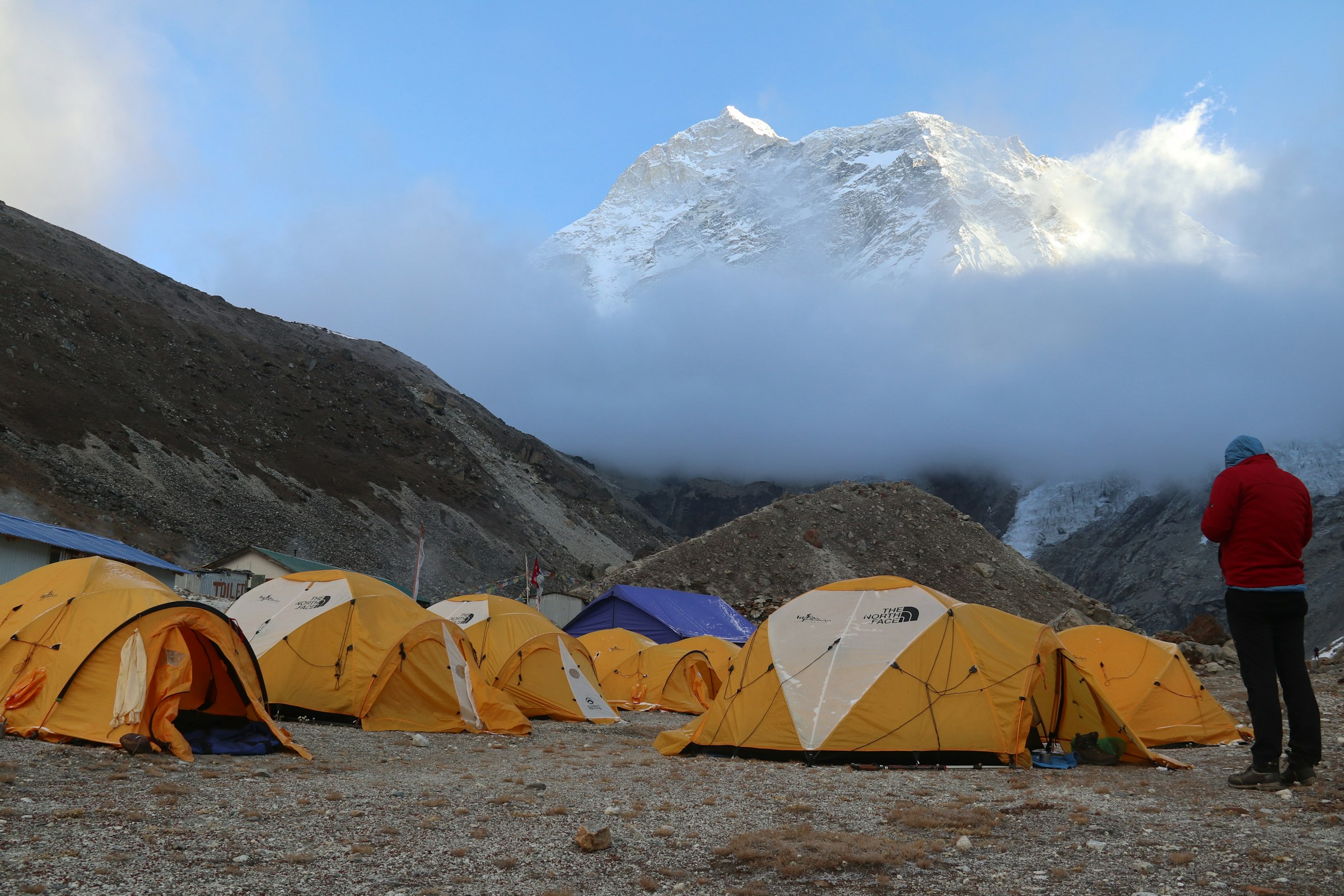
A shorter walk of 3-4 hours follows the valley over moraine and past the Barun Glacier to Makalu Base Camp, set beneath the vast south face of the mountain. The first sight of Makalu at close range is unforgettable. The afternoon is free to rest, take photographs and walk gently around camp, keeping exertion low at this altitude. Overnight in a basic teahouse at base camp.
A full day to explore the area. With your guide you can hike onto the ridges and moraine above base camp for wider views, where on a clear day Lhotse and Everest appear to the west alongside Baruntse and Chamlang. Alternatively, walk beside the Barun Glacier or simply rest and enjoy the scenery. We return to base camp for the night. Overnight at Makalu Base Camp.
We begin the return journey down the Barun Valley, retracing our route past Langmale Kharka to Yangle Kharka. The walk takes 6-7 hours, mostly downhill, and the thicker air at lower altitude makes the going feel easier. Look out for blue sheep and Himalayan tahr on the slopes and for the waterfalls along the valley walls. Overnight in a teahouse.
We follow the Barun River downstream before climbing steeply out of the valley through forest back to Dobato. The climb takes effort after several days of descent, so we take it steadily. The walk takes 6-7 hours, and the forest is full of birdlife, especially in spring when the rhododendrons are in flower. Overnight in a teahouse.
We cross the passes again, this time in the opposite direction, passing the alpine lakes and enjoying fresh views of Makalu, Chamlang and the peaks to the east. The trail is rocky and can hold snow, so care is needed on the descent. After 6-7 hours we reach Khongma Danda on its ridge. Overnight in a teahouse.
A long, steep descent of 5-6 hours takes us down through the forest to Tashigaon. Trekking poles are a great help on this section, which is hard on the knees. Returning to the village, with its fields, houses and the sounds of daily life, feels very welcoming after the high, empty country of the Barun Valley. Overnight in a teahouse.
We descend through farmland to Seduwa and continue down to the Arun River, then face the final steep climb up to Num. The walk takes 7-8 hours. Depending on road conditions, part of this section may now be covered by jeep. In the evening we celebrate the end of the trek with the guide and porters. Overnight in a teahouse.
A jeep takes us back along the winding road via Khandbari to Tumlingtar, a drive of 4-5 hours depending on conditions. The afternoon is free to rest in the warm air of the Arun valley, wash clothes or walk through the small bazaar. Your guide reconfirms the next morning's flight to Kathmandu. Overnight in a lodge in Tumlingtar.
A short morning flight returns us to Kathmandu, where we transfer you to your hotel. The afternoon is free for rest, shopping or a visit to one of the city's heritage sites. Flights can be delayed by weather, so we keep the rest of the day flexible. In the evening, join us for a farewell dinner to celebrate the trek. Overnight in Kathmandu.
Depending on your flight time, there may be a few hours for souvenir shopping or a final visit to Boudhanath. Our team transfers you to Tribhuvan International Airport in good time for your departure. If you would like to extend your stay with a safari in Chitwan, a few days in Pokhara or another trek, we are happy to arrange it.
What’s included
Cost Includes
13 items- Airport arrival and departure transfers in a private vehicle
- 3 nights in a Kathmandu hotel on a twin-sharing basis with breakfast
- Makalu Barun National Park entry permit and any local area permits required
- Flights Kathmandu to Tumlingtar and Tumlingtar to Kathmandu
- Jeep from Tumlingtar to Num and from Num to Tumlingtar
- Teahouse accommodation on trek, twin-sharing where available
- All meals on trek (breakfast, lunch and dinner) with tea or coffee
- Experienced, government-licensed English-speaking trekking guide
- Porters (one porter for two trekkers), including their wages, food, accommodation, insurance and equipment
- Down jacket, sleeping bag and duffel bag on loan for the trek
- Comprehensive first-aid kit and pulse oximeter carried by the guide
- Farewell dinner in Kathmandu
- Government taxes and office service charges
Cost Excludes
11 items- International flights and Nepal visa fees
- Travel insurance covering trekking to 5,000 m, medical treatment and emergency helicopter evacuation
- Lunch and dinner in Kathmandu, except the farewell dinner
- Excess baggage charges on domestic flights
- Entrance fees for sightseeing in Kathmandu
- Personal trekking gear and clothing
- Drinks, snacks and extra food beyond the set meals
- Hot showers, battery charging and Wi-Fi where teahouses charge for them
- Tips for guides and porters
- Extra nights in Kathmandu due to early arrival or late departure
- Costs arising from flight delays, road closures, landslides, illness or other events beyond our control
Equipment list
Foot Wear
3- Normal Socks 3-4Pairs
- Trekking Shoes 1 Pair
- Slippers
Hands
2- Thin Fleece Gloves 1 Pair
- Wind Stopper Fleece Gloves
Upper Body
6- Light Weight Top / Thermo Coat
- Buff
- Fleece Jacket 1
- Gore Tex Jacket 1
- Down Jacket 1
- Cotton T-Shirt 2-3
Lower Body
4- Mid Weight Long Under Pants
- Under Wear 4-5 Pairs
- Gore Tex Pant. 1
- Water Proof Pant1
Head
4- Sun Cap
- Balaclava
- Fleece Hat
- Neck Gaiter 2-3
Sleeping Bags
1- Sleeping Bag rated to -20°C For base camp
Bag Packs
2- Rucksacks 45-55L
- Duffle Bag 90 L 1 Piece
Sun stuffs
4- Sunscreen Minimum SPF 50
- Lip balm with SPF 30
- Sunglasses UV protection
- Toiletries.
Medicines
7- Brufen / Ibuprofens
- Antibiotic
- Diamox
- Paracetamol
- Handy Plaster
- Crack Bandage
- Tincture Iodine
Miscellaneous
2- Walking Stick
- Umbrella / Rain Coat
Frequently asked questions
Makalu is not a restricted area, so the main permit is the Makalu Barun National Park entry permit, together with any local area permits in force at the time. We arrange all permits in Kathmandu before the trek. Under current Nepal rules, foreign trekkers must walk with a licensed guide arranged through a registered agency, so solo travellers are welcome as long as they trek with one of our guides.
It is a hard trek. The altitude is lower than on some treks, with base camp at 4,870 m, but the route involves very steep climbs and descents, including a gain of around 1,400 metres to Khongma Danda and two crossings of the Shipton La. You should be fit, have previous multi-day trekking experience and be comfortable with remote, basic conditions.
We include a rest day at Khongma Danda after the big climb from Tashigaon, and a full exploration day at base camp, which also helps. Your guide checks everyone daily with a pulse oximeter and watches for symptoms such as headaches, nausea or breathlessness at rest. If anyone shows signs of serious altitude sickness, we descend immediately, which in the Barun Valley means walking back down towards Yangle Kharka.
Teahouses on the Makalu route are simple and family-run, with basic twin rooms or shared dormitories, shared toilets and limited hot water. Some lodges in the Barun Valley open only in the main trekking seasons. Menus are short, typically dal bhat, noodles, potatoes and eggs. A warm sleeping bag is essential, and electricity for charging can be limited or solar only.
The best times are April to May and October to November. Spring brings flowering rhododendrons in the lower forests, and autumn offers clear, stable weather and the best mountain views. Snow often blocks the Shipton La from December to March, and many lodges close. The monsoon from June to September brings rain, leeches, landslides and cloud that hides the peaks.
Your guide will not cross the passes in unsafe conditions. If fresh snow or poor visibility makes the Shipton La dangerous, we wait at Khongma Danda or Dobato for conditions to improve. Flights between Tumlingtar and Kathmandu can be delayed by weather, and roads in the Arun valley can be affected by landslides, so we recommend keeping a spare day before your international flight.
Yes. Your policy must cover trekking to at least 5,000 m, medical treatment and emergency helicopter evacuation. The Barun Valley is several days' walk from the nearest road, so a serious illness or injury would usually require a helicopter rescue, and operators will ask for insurance details before flying. Please send us your policy number and emergency contact details before the trip.
Trip Reviews
Submit your review | |
Plan Makalu Base Camp Trek with our team
Tell us your dates and group size and we will reply within 24 hours with availability, a tailored itinerary and a group price.
- Reply within 24 hours
- No booking fees
- Free itinerary tailoring